
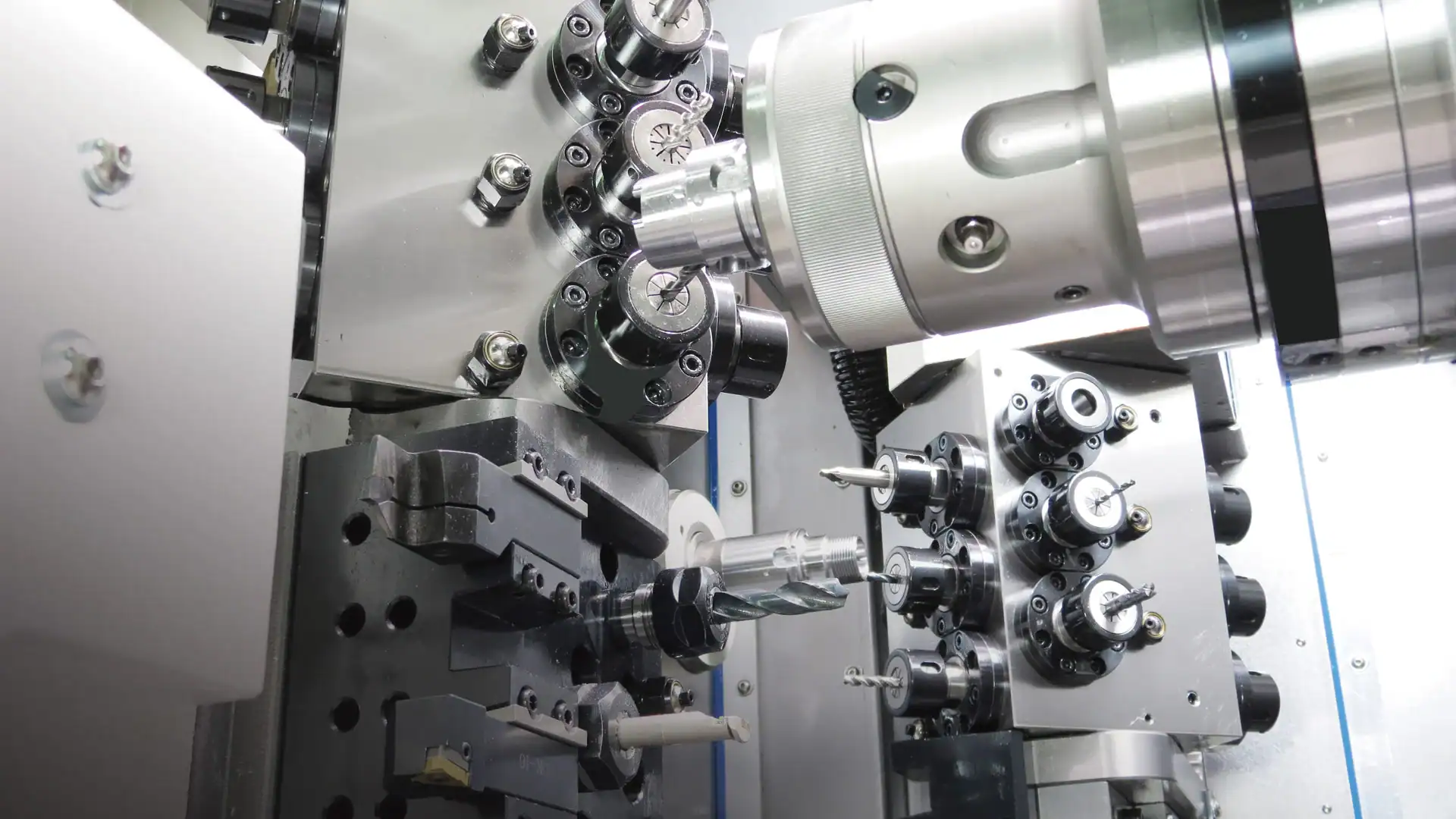
Iron Machine Tool: Advanced Milling Automation for Midwest Manufacturers
The lights go off, the spindles keep running, and precision mold components emerge ready for inspection by morning. This scenario—once reserved for high-volume production facilities with massive automation budgets—has become increasingly common across Upper Midwest tool and die shops seeking competitive advantage in markets defined by chronic workforce constraints and relentless customer pressure for faster deliveries.
lights out machining milling fundamentally changes the economics of precision manufacturing by extending productive machine hours without proportional labor cost increases. For tool and die operations where single-cavity mold components may require twelve to twenty hours of continuous machining, unattended operation transforms formerly impossible scheduling challenges into routine production planning. The technology has matured sufficiently that mid-sized shops with focused applications can implement lights-out processes without the massive capital outlays that previously limited adoption to only the largest manufacturers.
The transformation reflects broader industry pressures documented by the U.S. Chamber of Commerce workforce analysis, which shows durable goods manufacturing carrying over 313,000 unfilled job openings as of early 2025. Tool and die operations face particularly acute challenges given the specialized skills required and extended training timelines—realities that make automation not merely attractive but essential for shops positioning themselves for sustained growth.
The Business Case for Unattended Milling Operations
Traditional tool and die operations struggle with fundamental capacity utilization challenges. Most shops run single shifts with occasional overtime, leaving expensive five-axis machining centers idle for sixteen or more hours daily. When skilled machinists are unavailable for second and third shifts—or command substantial premiums to work undesirable hours—this idle capacity represents stranded investment generating no return.
Lights-out automation addresses this constraint directly. Modern pallet systems and robotic loading cells enable machine tools to process queued workpieces continuously, limited only by tool magazine capacity and workholding configurations. Shops implementing these systems report machine utilization rates approaching 95 percent compared to typical rates of 30 to 40 percent for manually attended equipment. For tool and die operations where individual machine investments routinely exceed half a million dollars, this utilization improvement translates directly to accelerated equipment payback and improved competitive positioning.
The consistency advantages prove equally compelling. According to AMT – The Association For Manufacturing Technology, lights-out processes eliminate variability introduced by operator fatigue, skill differences, and attention lapses that inevitably occur during extended manual operations. For tool and die work where surface finish quality and dimensional accuracy directly impact downstream injection molding or stamping performance, this consistency carries premium value that customers increasingly recognize and reward.
Understanding the broader workforce context behind this automation imperative, as examined in Why Midwest Precision Manufacturers Are Racing to Automate Milling Operations in 2026, provides essential background for shops evaluating lights-out implementation strategies and investment justifications.
Technical Requirements for Tool and Die Applications
Tool and die operations present unique challenges for lights-out implementation that differ significantly from high-volume production scenarios. Workpiece geometries vary dramatically between projects, setup requirements change frequently, and quality standards demand verification processes that must occur without human oversight during unattended hours. Successfully addressing these challenges requires integrated systems rather than standalone automation components.
Workholding standardization forms the foundation for practical lights-out operations in job shop environments. Zero-point clamping systems and precision pallets enable repeatable positioning accuracy while minimizing setup time between disparate workpieces. Shops investing in standardized workholding across multiple machines create flexibility to route work based on availability rather than setup constraints—a capability that maximizes utilization during both attended and unattended hours.
Tool management integration proves equally critical. Lights-out milling requires extensive tool magazines, automatic tool measurement systems, and wear compensation capabilities that maintain cutting performance throughout extended unattended runs. Tool breakage detection prevents catastrophic failures from propagating through expensive workpieces while enabling automated production stoppage before collateral damage occurs.
In-process probing and measurement close the quality verification loop that would otherwise require human judgment. Modern systems verify workpiece positioning before cutting begins, confirm critical dimensions during machining sequences, and flag deviations for operator review before downstream operations proceed. This capability proves particularly valuable for tool and die applications where dimensional errors discovered after heat treatment or coating operations create expensive rework requirements.
Implementation Realities for Regional Shops
The path from concept to production capability requires realistic assessment of current infrastructure, workforce readiness, and application suitability. Shops rushing into lights-out implementation without adequate preparation often experience disappointing results—extended debugging cycles, frustrated operators, and utilization rates that fall far short of projections. Conversely, systematic implementations typically achieve or exceed expected performance within reasonable timeframes.
Not all tool and die work suits lights-out processing equally well. Long-cycle operations machining substantial material volumes from hardened tool steels represent ideal candidates—extended runtimes maximize unattended production value while predictable cutting conditions enable reliable process planning. Short-cycle operations requiring frequent workpiece changes may prove more challenging without sophisticated automation that adds cost and complexity beyond smaller shops’ practical reach.
For manufacturers evaluating specific equipment options and investment parameters, What Minnesota Manufacturers Should Know Before Investing in 5-Axis Milling Automation provides detailed guidance on matching technology solutions to operational requirements and realistic return expectations for regional tool and die applications.
Workforce considerations deserve careful attention throughout implementation planning. Lights-out capability changes operator roles rather than eliminating them—successful operations require personnel who can program complex unattended sequences, troubleshoot process anomalies, and optimize cutting parameters for extended reliability. This evolution toward system supervision and process engineering typically requires training investments concurrent with equipment deployment.
Iron Machine Tool: Your Partner in Milling Automation
Iron Machine Tool specializes in helping Upper Midwest tool and die operations implement lights-out capabilities that address workforce constraints while improving competitive positioning. Our team understands both the technology possibilities and the practical realities of implementing automation in precision manufacturing environments serving demanding customers.
Our Services Include:
- Milling Automation Systems – Complete automation solutions from Mitsubishi, EROWA, and OPS Ingersoll designed specifically for tool and die, mold making, and precision manufacturing applications
- Lights-Out Implementation Planning – Expert guidance helping manufacturers evaluate automation opportunities, design workholding strategies, and develop implementation roadmaps for unattended production
Ready to Explore Lights-Out Capability? Contact Iron Machine Tool to discuss how milling automation can extend your productive capacity while addressing the workforce challenges facing Upper Midwest precision manufacturers.
Works Cited
“Lights-Out Manufacturing.” AMT – The Association For Manufacturing Technology, 6 May 2021, www.amtonline.org/article/lights-out-manufacturing. Accessed 10 Dec. 2025.
Ferguson Melhorn, Stephanie, and Makinizi Hoover. “Understanding America’s Labor Shortage: The Most Impacted Industries.” U.S. Chamber of Commerce, 16 Oct. 2025, www.uschamber.com/workforce/understanding-americas-labor-shortage-the-most-impacted-industries. Accessed 10 Dec. 2025.
Related Articles
- Why Midwest Precision Manufacturers Are Racing to Automate Milling Operations in 2026
- What Minnesota Manufacturers Should Know Before Investing in 5-Axis Milling Automation


