
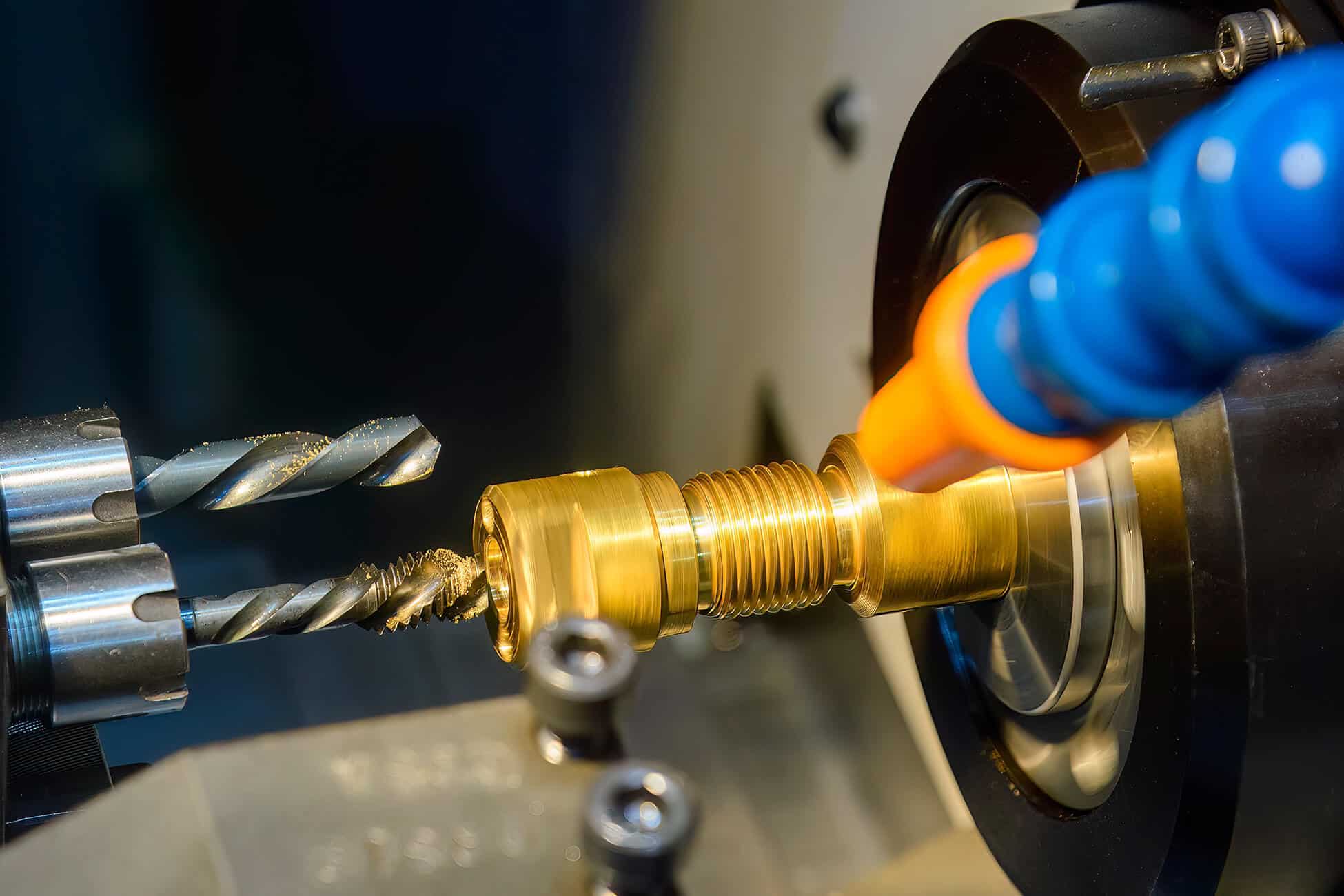
Michigan stands at the forefront of American manufacturing, contributing over $87 billion annually to the state’s economy and employing more than 620,000 workers across industries from automotive and aerospace to advanced manufacturing and medical devices. The state’s rich manufacturing heritage, combined with modern technological advances, positions Michigan companies to compete globally through strategic equipment investments and operational excellence.
At Iron Machine Tool, we understand that selecting the right CNC machines and EDM equipment represents one of the most critical decisions facing Michigan manufacturers. Our experience helping manufacturers throughout the Midwest has shown that proper equipment selection can improve productivity by 25-40% and reduce operating costs by 15-30% compared to suboptimal equipment choices.
Comprehensive Assessment of Production Requirements
Successful machine tool selection begins with thorough analysis of current and future production requirements. This assessment forms the foundation for all subsequent equipment decisions and helps prevent costly mistakes that can impact operations for years to come.
Production volume analysis establishes the throughput requirements that equipment must meet to support business objectives. Michigan manufacturers must consider both current production levels and projected growth over the equipment’s expected service life. Seasonal variations, market fluctuations, and capacity expansion plans all influence equipment sizing and capability requirements.
Part complexity evaluation determines the technological capabilities required from potential equipment. Simple parts may require basic machining centers, complex geometries may demand multi-axis capabilities, and intricate features may necessitate specialized processes such as EDM or precision grinding. Accurate complexity assessment prevents under-specification that limits production capabilities.
Material requirements analysis identifies the specific materials that equipment must process effectively. Different materials demand varying spindle output, cutting speeds, and tooling capabilities. Michigan’s diverse manufacturing base processes everything from aluminum and steel to exotic alloys and composites, each presenting unique machining challenges.
Quality standards and tolerance requirements define the precision capabilities needed from selected equipment. Aerospace and medical device manufacturers require sub-micron accuracy, automotive suppliers need consistent repeatability, and general manufacturing applications may accept broader tolerances. Grasping quality requirements prevents over-investment in unnecessary precision.
Machine Tool Categories and Manufacturing Applications
CNC machining centers represent the backbone of modern manufacturing operations, offering versatility and precision for diverse production requirements. Three-axis machining centers provide cost-effective solutions for parts with relatively simple geometries, offering excellent productivity for flat parts, simple contours, and basic three-dimensional features.
Five-axis machining centers enable complex part production in single setups, reducing handling time and improving accuracy through elimination of multiple fixtures. These machines excel at producing aerospace components, medical implants, and automotive parts requiring complex geometries or precise angular features.
Turning centers and lathes specialize in cylindrical part production, offering high productivity for shafts, pins, bushings, and rotational components. Multi-axis turning centers combine turning and milling capabilities, enabling complete part production in single operations.
EDM equipment provides unique capabilities for producing intricate shapes in hardened materials. Wire EDM delivers exceptional performance at cutting complex profiles with minimal material waste, making it ideal for tool and die applications. Sinker EDM creates complex cavities and internal features impossible to machine conventionally.
Grinding equipment delivers the highest precision and surface finish quality for critical applications. Surface grinders, cylindrical grinders, and centerless grinders each serve specific applications requiring exceptional dimensional accuracy and surface quality.
Capacity and Throughput Considerations for Michigan Manufacturers
Production capacity planning requires careful analysis of cycle times, setup requirements, and utilization rates to achieve target throughput levels. Michigan manufacturers must balance equipment speed with reliability, as faster machines often require more maintenance and may have higher operating costs.
Spindle speed and electrical capabilities directly impact material removal rates and cycle times. Higher spindle speeds enable faster cutting in aluminum and other non-ferrous materials common in Michigan’s automotive and aerospace industries. Adequate spindle output supports aggressive cutting parameters that maximize productivity.
Tool changing systems significantly affect overall cycle times, particularly for parts requiring multiple operations. High-speed tool changers reduce non-productive time, automatic tool length measurement systems minimize setup time, and large tool magazines support complex parts requiring numerous cutting tools.
Workholding and fixture considerations impact both productivity and accuracy. Quick-change fixtures reduce setup time between parts, modular fixturing systems provide flexibility for part families, and automated workholding systems support lights-out operation.
Material handling integration enables higher utilization rates and reduces labor costs. Robotic loading systems, conveyor integration, and pallet changing systems allow extended unmanned operation. These systems become particularly valuable for Michigan manufacturers competing with low-cost global suppliers.
Precision and Tolerance Requirements Analysis
Accuracy specifications must align with actual production requirements to avoid unnecessary equipment costs and complexity. Michigan manufacturers should carefully analyze drawing requirements, customer specifications, and functional needs to determine appropriate precision levels.
Machine tool accuracy encompasses multiple factors including positioning accuracy, repeatability, geometric accuracy, and thermal stability. Positioning accuracy defines how closely the machine can move to commanded positions, repeatability measures consistency in returning to the same position, and geometric accuracy reflects the machine’s ability to produce true geometric forms.
Thermal stability becomes critical for precision applications, as temperature variations cause dimensional changes in both the machine tool and workpieces. Climate-controlled environments, thermal compensation systems, and machine warm-up procedures help maintain accuracy in varying conditions.
Measurement and inspection capabilities integrated with machine tools enable in-process quality control and automatic compensation for tool wear and thermal effects. Probing systems, laser measurement devices, and coordinate measuring capabilities provide real-time feedback for precision applications.
Budget and ROI Analysis for Equipment Investment
Recognizing equipment costs extends beyond initial purchase price to include installation, training, maintenance, and operating expenses over the equipment’s service life. Michigan manufacturers should evaluate total cost of ownership to make informed investment decisions.
Initial equipment costs include the machine tool itself, tooling, fixtures, installation, and facility modifications. Hidden costs often include electrical service upgrades, foundation work, coolant systems, and chip handling equipment. Proper budgeting accounts for all implementation expenses.
Operating costs encompass energy consumption, maintenance expenses, tooling costs, and labor requirements. Energy-efficient equipment reduces long-term operating costs, reliable machines minimize maintenance expenses, and automated features reduce labor requirements.
Productivity improvements generate the returns that justify equipment investments. Faster cycle times, reduced setup requirements, improved quality, and enhanced capabilities enable Michigan manufacturers to capture new business opportunities and improve profitability.
Financing options affect the financial impact of equipment purchases. Equipment loans, leasing arrangements, and manufacturer financing programs provide alternatives to cash purchases. Tax considerations including depreciation benefits and investment credits influence the total financial impact.
Technology Evaluation Criteria and Decision Factors
Control system capabilities determine the machine’s programming flexibility, ease of operation, and integration potential. Modern CNC controls offer conversational programming, simulation capabilities, and network connectivity that improve productivity and reduce operator training requirements.
Machine tool comparisons should evaluate construction quality, component specifications, and manufacturer reputation. Machine bed design, spindle bearings, linear guides, and drive systems all impact performance and longevity.
Software integration capabilities enable connection with existing manufacturing systems including CAD/CAM software, production planning systems, and quality management platforms. Open architecture controls and standard communication protocols facilitate integration.
Automation compatibility determines future expansion possibilities as labor costs increase and skills become scarce. Machines designed for automation integration provide long-term flexibility for Michigan manufacturers facing workforce challenges.
Safety features and compliance with current standards protect operators and reduce liability exposure. Emergency stop systems, safety interlocks, and operator protection devices meet OSHA requirements and insurance standards.
Vendor Selection and Support Considerations
Manufacturer reputation and financial stability affect long-term parts availability, warranty support, and technology updates. Established manufacturers with strong dealer networks provide better support than companies with uncertain futures.
Local dealer support capabilities directly impact equipment uptime and productivity. Michigan manufacturers should evaluate dealer technical expertise, parts inventory, response times, and training capabilities before making equipment commitments.
Training programs and documentation quality affect operator productivity and equipment utilization. Comprehensive training reduces startup time and improves long-term performance. Quality documentation supports troubleshooting and maintenance activities.
Warranty terms and service agreements provide protection against equipment problems and unexpected costs. Extended warranties, preventive maintenance programs, and guaranteed response times reduce operational risks.
Application support and engineering assistance help optimize equipment performance for specific production requirements. Manufacturer applications engineers can provide tooling recommendations, programming assistance, and process optimization guidance.
Implementation Planning and Project Management
Installation planning coordinates equipment delivery with facility preparation, utility connections, and production scheduling. Michigan manufacturers must plan installations to minimize production disruptions and accelerate equipment startup.
Operator training schedules should begin before equipment arrival to maximize productivity from day one. Training programs should cover equipment operation, programming, basic maintenance, and troubleshooting procedures.
Production validation confirms equipment meets performance specifications and production requirements. Validation testing should include accuracy verification, cycle time confirmation, and capability studies for critical characteristics.
Documentation and procedures standardize equipment operation and maintenance practices. Operating procedures, maintenance schedules, and quality control methods support consistent performance and regulatory compliance.
Continuous improvement processes identify optimization opportunities after equipment installation. Regular performance reviews, operator feedback, and process analysis enable ongoing productivity improvements.
Michigan Manufacturing Success Through Strategic Equipment Selection
Michigan manufacturers across diverse industries demonstrate the competitive advantages achievable through strategic machine tool selection. Companies in the Detroit metropolitan area have successfully modernized operations through careful equipment evaluation and selection processes.
Automotive tier-one suppliers have implemented flexible manufacturing systems that support multiple product lines and rapid model changes. These companies selected equipment with quick changeover capabilities, automated material handling, and integrated quality control systems that meet automotive industry requirements.
Aerospace component manufacturers in Grand Rapids have invested in high-precision equipment that supports AS9100 certification and customer-specific requirements. These companies chose machines with advanced capabilities including five-axis machining, in-process measurement, and comprehensive documentation systems.
Medical device manufacturers throughout Michigan have selected equipment that meets FDA validation requirements and supports product approvals. These companies prioritized precision, repeatability, and traceability capabilities that demonstrate process control and product consistency.
Tool and die manufacturers have modernized operations through strategic equipment selection that improves competitiveness against low-cost global competition. These companies chose high-speed machining centers, advanced EDM equipment, and automation systems that reduce costs and improve delivery times.
General manufacturing companies have improved profitability through equipment selection that optimizes productivity and reduces operating costs. These companies balanced capability requirements with budget constraints to achieve optimal return on investment.
Technology Trends Influencing Equipment Selection
Industry 4.0 technologies are transforming manufacturing operations through connectivity, data analytics, and artificial intelligence. Michigan manufacturers should consider equipment compatibility with these emerging technologies when making selection decisions.
Additive manufacturing integration enables hybrid production processes that combine traditional machining with 3D printing capabilities. Hybrid machines provide unique capabilities for complex parts requiring both additive and subtractive processes.
Artificial intelligence and machine learning capabilities enable predictive maintenance, automatic optimization, and quality prediction. Equipment with AI capabilities provides long-term advantages as these technologies mature.
Sustainability considerations increasingly influence equipment selection decisions. Energy-efficient machines, reduced coolant usage, and improved material utilization support environmental objectives and reduce operating costs.
Ready to make the right equipment selection for your Michigan manufacturing operation? Schedule Your Equipment Consultation Today to discuss how Iron Machine Tool can help you evaluate options and select the optimal machine tools for your specific production requirements.
Additional Resources
Michigan manufacturers can access valuable guidance on equipment selection and manufacturing best practices from authoritative sources that provide comprehensive standards and technical information. The National Institute of Standards and Technology offers extensive resources on manufacturing technology evaluation, measurement standards, and quality systems that support informed equipment selection decisions. The Michigan Economic Development Corporation provides manufacturing support programs, financing assistance, and industry development resources that help Michigan companies modernize operations and improve competitiveness.
Frequently Asked Questions
What factors should Michigan manufacturers prioritize when selecting their first CNC machine? Michigan manufacturers selecting their first CNC machine should prioritize versatility, ease of operation, and reliable local support over advanced features they may not need immediately. A three-axis machining center with modern CNC control provides excellent capability for most applications and allows operators to develop skills gradually. Local dealer support becomes critical for training, troubleshooting, and maintenance assistance. Budget considerations should include tooling, fixtures, and training costs beyond the machine price. Many successful Michigan manufacturers start with proven, mainstream equipment and add specialized capabilities as their experience and requirements grow.
How do Michigan manufacturers balance equipment capability with budget constraints? Successful Michigan manufacturers balance capability with budget through careful analysis of actual production requirements versus desired features. Focus on applications that will generate immediate return on investment rather than potential future needs. Consider certified pre-owned equipment that provides advanced capabilities at reduced cost. Evaluate financing options including leasing arrangements that spread costs over time. Many manufacturers find that slightly used equipment from reputable sources provides excellent value and faster payback than new machines with features they may never utilize.
What role does local dealer support play in equipment selection for Michigan manufacturers? Local dealer support plays a critical role in equipment performance and productivity for Michigan manufacturers. Strong local support provides faster response times for service calls, readily available spare parts inventory, and convenient access to training programs. Dealers with experienced service technicians reduce downtime and prevent costly production interruptions. Application support from knowledgeable dealers helps optimize equipment performance and solve production challenges. Michigan manufacturers should evaluate dealer capabilities as carefully as equipment specifications, as poor support can negate the advantages of excellent equipment.
How should Michigan manufacturers approach equipment selection for specialized applications like aerospace or medical device manufacturing? Michigan manufacturers in specialized industries should prioritize precision, repeatability, and documentation capabilities that support regulatory requirements and customer specifications. Aerospace applications typically require multi-axis capabilities, advanced measurement systems, and comprehensive quality documentation. Medical device manufacturing demands validated processes, traceability systems, and cleanroom compatibility. These industries should work with equipment suppliers experienced in their specific requirements and regulatory environment. Investment in specialized capabilities often provides access to higher-margin business opportunities that justify premium equipment costs.
What timing considerations affect equipment selection and implementation for Michigan manufacturers? Michigan manufacturers should consider lead times, seasonal production patterns, and training requirements when planning equipment purchases. Machine tool lead times can extend 6-12 months for popular models, requiring advance planning for capacity expansion. Installation timing should account for production schedules and avoid peak demand periods when possible. Operator training should begin before equipment arrival to minimize startup delays. Many manufacturers find that summer installations work well for automotive suppliers, avoiding busy production periods while allowing time for operator training and process development before peak demand returns.


