

Most guides comparing types of CNC machines cover milling and turning, then stop. They treat EDM as a footnote maybe one paragraph at the bottom. That is a problem if you are running hardened tool steels, tight-tolerance mold cavities, or complex 5-axis workpieces in a Midwest shop.
Iron Machine Tool distributes Mitsubishi Electric EDM machines and OPS-Ingersoll precision milling centers across Minnesota, Wisconsin, Iowa, and Illinois. We have been in these shops. We know what gets quoted as a milling job and comes back as an EDM job — and we know why.
Key Takeaways
- Understanding the basics of CNC machining is essential for selecting the right machine for your needs.
- The material and complexity of your workpiece greatly influence the type of CNC machine you should choose.
- Factors such as budget, maintenance, and support are crucial when deciding on a CNC machine.
- Different CNC machines offer varying levels of automation, which can impact efficiency and productivity.
- Consulting with experts and defining your business objectives can help in making an informed decision.
Understanding CNC Machine Basics
Understanding the fundamental principles of CNC machines is vital for efficient operation. This includes knowledge of programming languages, machine components, and safety protocols. Familiarity with CNC terminology, such as G-code and M-codes, is also essential for effective communication and troubleshooting.
What is CNC Machining?
CNC machining is a computerized production technology that uses pre-programmed software to control various types of machinery. A CNC machine is a mechatronics automated power tool that combines a computer numerical control system with a traditional machine. It performs part or all of the numerical control functions according to the control program stored in the computer memory. This technology is essential for creating custom-designed parts or components by progressively carving away material.
Key Components of CNC Machines
The CNC machine depends on digital instructions made by CAD and CAM software to function optimally. The CAD software makes the design, while the CAM converts the CNC design to a G-code which the CNC machine can read. Below are elements or parts generally found in a CNC system:
- Controller: Realizes machine action control.
- Servo Drives: Provide precise control of movement.
- Interface Circuits: Facilitate communication between the computer and the machine.
How CNC Machines Work
CNC machines operate by following a set of digital instructions, often referred to as G-code. This code is generated from CAD and CAM software, which designs and plans the machining process. The automated processing system often makes manufacturing parts faster and more accurate than manual machines. CNC machines can be classified into various types, including 3-axis CNC milling centers, CNC lathes, wire EDM machines, and 5-axis machining centers. Each type has its specific applications and advantages, making it crucial to choose the right one for your needs.
Evaluating the Material and Complexity of Your Manufacturing Process
When selecting a CNC machine, it is crucial to evaluate the material and complexity of your manufacturing process. The type of material you plan to process significantly influences the choice of CNC machine. Different materials have unique requirements, such as cutting speed, tool type, and cooling methods. For instance, metals like aluminum and steel require robust machines with specific tooling, while plastics and wood may need different setups.
The complexity of the workpiece is another critical factor. Complex designs with intricate details demand advanced CNC machines capable of high precision and multiple axes of movement. Simpler designs may not require such sophisticated equipment, allowing for more cost-effective options.
Precision and tolerance considerations are also paramount. High-precision parts necessitate machines that can maintain tight tolerances consistently. This is especially important in industries where accuracy is non-negotiable, such as aerospace and medical device manufacturing.
Choosing the Right CNC Machine for Your Needs
Selecting the right CNC machine for your needs depends on various factors, such as the intended purpose, available space, level of automation, accuracy, budget, and maintenance costs. It’s also crucial to consider the material and features of the workpiece, production volume, and tool material. By evaluating these factors, you can make an informed decision about which CNC machine is the best fit for your specific application.
Comparing Different CNC Machine Types
When selecting a CNC machine, it’s crucial to understand the different types of CNC machines available and their specific applications. Each type of CNC machine offers unique capabilities and is suited for particular tasks. Here, we will compare some of the most common types to help you make an informed decision.
3-Axis vs 5-Axis CNC Machines
The number of axes in a CNC machine determines its versatility and capability. A 3-axis CNC machine moves along three linear axes (X, Y, and Z), making it suitable for simpler tasks. In contrast, a 5-axis CNC machine can move along three linear axes and two additional rotational axes, allowing for more complex and intricate work. This added flexibility makes 5-axis machines ideal for detailed and precise manufacturing processes.
CNC Milling vs CNC Turning
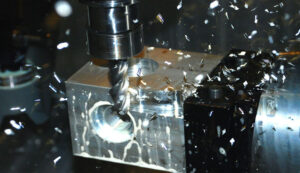
CNC milling and CNC turning are two of the most common types of CNC machining. CNC milling involves rotating a cutting tool to remove material from a stationary workpiece, making it suitable for creating complex shapes and surfaces. On the other hand, CNC turning rotates the workpiece while a stationary cutting tool removes material, which is ideal for producing cylindrical parts. Understanding the differences between these two methods can help you choose the right type of CNC machine for your specific needs.
Specialized CNC Machines
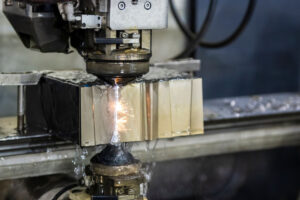
In addition to the more common types, there are specialized CNC machines designed for specific tasks. Wire EDM machines cut precise through-profiles in conductive materials using electrical discharge rather than a cutting tool making them the right choice for hardened tooling, dies, and punches that conventional milling cannot hold to tolerance. Sinker EDM machines produce blind 3D cavities in hardened steel, making them the standard for injection mold and die casting tooling. For shops that require extremely small-diameter deep holes in hardened workpieces, EDM hole drilling provides depth-to-diameter ratios no conventional drill can reach. Each specialized CNC machine type offers unique advantages tailored to particular manufacturing requirements.
Machine Size and Capacity
The physical size and capacity of the CNC machine are critical factors. You’ll need a machine with a workspace large enough to accommodate your workpieces comfortably. Consider not only the size of your current projects but also potential future needs. Ensure that the machine’s table size and travel distances meet your requirements.
Large CNC machines are intended for mass production. Thus, if you want to choose a CNC machine that will help you iterate prototypes and produce products faster, then a large machine with all the necessary tools is desirable. This is due to their continuous duty rating. However, the size also impacts the price.
Level of Automation in CNC Machines
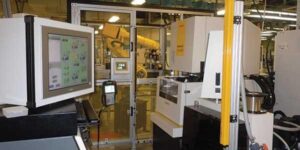
The level of automation in CNC machines varies from basic manual control to fully automated systems. Understanding the different levels of automation, including semi-automatic and fully automatic machines, helps in selecting the right machine for specific production needs and optimizing efficiency.
Manual vs Automated CNC Machines
CNC machining automation has been a revolutionary force that makes work easier, faster, and more accurate by reducing the need for manual labor. It allows machines to run without supervision over long periods of time, thereby increasing production capacity. Additionally, the use of artificial intelligence (AI) in combination with machine learning algorithms can improve manufacturing processes through predictive maintenance as well as real-time adjustments on machining parameters, thus reducing wastage while enhancing efficiency.
Benefits of Automation
The benefits of automation in CNC machining are numerous. Increased production capacity is one of the most significant advantages, as automated machines can operate continuously without human intervention. This level aims to create a fully automated production environment where different systems communicate with each other and operate with minimal human oversight. Other benefits include improved precision, reduced labor costs, and enhanced safety for operators.
Choosing the Right Level of Automation
When selecting the appropriate level of automation for your CNC machines, several factors need to be considered. These include the complexity of the workpiece, the required precision and tolerance, and the production volume. For instance, a 5-axis CNC machine may be more suitable for complex and precise tasks, while a simpler machine might suffice for less demanding applications. Additionally, the budget and long-term maintenance costs should also be taken into account to ensure a cost-effective investment.
Accuracy and Precision in CNC Machining
Achieving high accuracy and precision in CNC machining requires a combination of advanced machine tools, precise programming, and skilled operators. Factors such as spindle speed, feed rate, and tool selection significantly impact the quality of the final product. Proper calibration and maintenance of the machine also ensure optimal performance.
Importance of Accuracy
In the realm of CNC machining, accuracy and precision are distinct concepts that play big roles in manufacturing results. Accuracy refers to how closely a machine can achieve the desired dimensions, while precision indicates the machine’s ability to reproduce the same dimensions consistently. Both are crucial for ensuring high-quality and reliable parts, especially in industries like aerospace and medical, where even minor deviations can have significant consequences.
Factors Affecting Precision
Several factors can influence the precision of CNC machines. These include the quality of the machine components, the type of materials being machined, and the complexity of the workpiece. Additionally, the number of axes a machine operates on can also impact its precision. Machines with more axes can perform more complex and detailed cuts, thereby enhancing precision. Regular maintenance and calibration are also essential to maintain the machine’s precision over time.
Measuring and Maintaining Precision
To ensure that CNC machines maintain their precision, it is important to regularly measure and calibrate them. This can be done using various tools and techniques, such as laser interferometry and ballbar testing. Implementing a routine maintenance schedule can also help in identifying and addressing any issues that may affect the machine’s precision. By doing so, manufacturers can ensure that their CNC machines continue to produce high-quality and accurate parts consistently.
Tooling and Accessories for CNC Machines
Different CNC machines may require specific tooling and accessories for various tasks. Consider the availability and compatibility of tooling options for your chosen machine. This includes tool holders, cutting tools, clamps, and fixtures. Ensure that the machine you select can accommodate the necessary tooling and accessories for your applications.
Types of CNC Tools
End mills, reamers, face mills, taps, and drills are commonly used cutting tools in CNC milling machines. For 3-axis graphite milling centers used in electrode production, HSK toolholders and dedicated graphite-geometry end mills are standard. CNC mills come in various configurations, ranging from basic 2-axis machines to 5-axis systems, each requiring tooling matched to the spindle interface and material being cut.
Selecting the Right Tooling
When selecting the right tooling for your CNC machine, consider the material you will be working with and the complexity of the parts you intend to produce. Cutting tools to remove material efficiently are essential for achieving high precision and quality. Additionally, ensure that the tooling is compatible with your machine’s specifications and control system.
Tool Maintenance
Proper maintenance of your CNC tooling is crucial for ensuring longevity and performance. Regularly inspect and replace worn or damaged tools to prevent defects in your workpieces. Implement a routine maintenance schedule that includes cleaning, lubrication, and calibration of your machine tool and accessories. This will help maintain the accuracy and efficiency of your CNC operations.
CNC vs Manual Machining
CNC machining offers several advantages over manual machining, including increased speed, accuracy, and efficiency. While manual machining is suitable for small batches or custom projects, CNC machines are ideal for high-volume production and complex parts. Understanding the strengths and limitations of each method helps in making informed decisions for production.
Advantages of CNC Machining
CNC machining automation has revolutionized the manufacturing industry by making work easier, faster, and more accurate. CNC machines can run without supervision over long periods, thereby increasing production capacity. Additionally, the use of artificial intelligence (AI) in combination with machine learning algorithms can improve manufacturing processes through predictive maintenance and real-time adjustments on machining parameters, thus reducing wastage.
Limitations of Manual Machining
Manual machines, such as lathes, milling machines, and grinders, tend to be less expensive upfront compared to CNC machines. However, the cost can still vary depending on the complexity and requirements of the job. Manual machining is often preferable for simple, one-time jobs as it can be more efficient than setting up a CNC machine for the same task. Despite this, manual machining lacks the precision and repeatability offered by computer numerical control systems.
Cost-Benefit Analysis
When comparing the costs and benefits of CNC vs manual machining, several factors need to be considered:
- Initial Investment: CNC machines generally have a higher upfront cost compared to manual machines.
- Operational Efficiency: CNC machines can operate continuously without supervision, leading to higher production rates.
- Precision and Accuracy: CNC machines offer superior precision and repeatability, which is crucial for complex and high-volume production.
- Flexibility: CNC machines can perform multiple operations in a single setup, such as CNC drilling, boring, tapping, and CNC milling.
In conclusion, while manual machining has its place for specific tasks, the advantages of CNC machining in terms of efficiency, precision, and flexibility make it the preferred choice for most modern manufacturing processes.
Defining Your Objectives and Goals
Before implementing CNC machine automation, it is essential to define clear objectives and goals. This includes identifying production targets, quality standards, and cost savings. Defining these objectives helps in selecting the right machine, training operators, and optimizing production processes for maximum efficiency.
Identifying Business Needs
Before diving into the specifics of the different types of CNC machines, it’s essential to have a clear understanding of your business objectives. Proper setup of CNC machines is crucial for achieving optimal results and ensuring operator safety. Ask yourself:
- What type of products will you be manufacturing?
- What materials will you primarily work with?
- What production volume do you anticipate?
- What level of precision and complexity is required?
- What is your budget for purchasing and operating the machine?
These questions narrow your options and point you toward the specific machine type whether that is a wire EDM, a sinker EDM, a 3-axis milling center, or a 5-axis machining center that aligns with your production reality.
Setting Project Goals
Shedding light on their operation modes, areas of application, and ways through which one can identify the most appropriate ones for specific production goals. This involves understanding the scope of your projects, the timelines, and the expected outcomes. Clear project goals will guide you in selecting a CNC machine that meets your production requirements.
Aligning Machine Choice with Objectives
To make an informed decision, consider the following key factors. Evaluate how different CNC machines align with your business needs and project goals. This includes assessing machine performance, maintenance requirements, and the need for additional software or hardware upgrades. By aligning your machine choice with your objectives, you ensure that your investment supports your long-term business strategy.
Expert Advice and Support
Implementing CNC machine automation requires expert advice and support. Working with experienced professionals who have a deep understanding of CNC machines and automation can help in selecting the right machine, optimizing production processes, and addressing any technical issues that may arise.
Consulting with Experts
When selecting a CNC machine, it is crucial to consult with industry experts who can provide valuable insights and recommendations. These professionals can help you understand the specific requirements of your manufacturing process and guide you in choosing the right CNC router. They can also assist in evaluating the capabilities, budget, and brand that best fit your needs.
Training and Skill Development
Proper training and skill development are essential for maximizing the benefits of your CNC machine. Manufacturers often offer comprehensive training programs that cover everything from basic operation to advanced techniques. These programs may include in-depth training classes, courses on metalwork or woodwork, and step-by-step explanations of the features of the CNC machines. Additionally, online resources such as tutorials, how-to guides, and project ideas can be invaluable for ongoing learning.
Ongoing Support and Maintenance
The level of support provided by suppliers can vary significantly. Many suppliers staff their support teams with factory-trained field technicians who have first-hand experience and can assist with all service needs. This approach enables them to fix incidents via phone calls, minimizing downtime. It is also important to evaluate after-sale services, including warranty terms and the availability of additional software or hardware upgrades. Regular maintenance and monitoring of machine performance are crucial to ensure long-term efficiency and productivity.
Conclusion
Choosing the right CNC machine involves a careful evaluation of your materials, part geometry, tolerance requirements, production volume, and budget. Whether you need a wire EDM machine for hardened tooling, a sinker EDM for mold cavities, a 3-axis milling center for electrode production, or a 5-axis machining center for complex precision components, taking the time to evaluate your needs ensures that your investment delivers real production value. If you are still uncertain which machine fits your application, contact Iron Machine Tool bring your part print, material spec, and production requirements, and we will give you a direct answer.
FAQ: Types of CNC Machines
What are the main types of CNC machines?
The main types are CNC milling machines, CNC lathes (turning), wire EDM, sinker EDM, EDM hole drilling, CNC routers, and CNC grinders. Each is built for a specific combination of part geometry, material type, and tolerance requirement. No single machine type handles all applications.
What is the difference between 3-axis and 5-axis CNC machining?
A 3-axis CNC machine moves along X, Y, and Z linear axes and requires the part to be repositioned between setups to machine multiple faces. A 5-axis machine adds two rotational axes, allowing the spindle to approach the part from virtually any angle in a single setup. 5-axis achieves tighter tolerances (±0.0005 inch versus ±0.001 inch for 3-axis) and is used for aerospace components, complex molds, and precision medical parts.
What is the difference between CNC milling and CNC turning?
The fundamental difference is what moves. In milling, the cutting tool rotates against a stationary workpiece. In turning, the workpiece rotates against a stationary cutting tool. Milling handles prismatic parts with flat faces and pockets. Turning handles cylindrical parts like shafts, threads, and bushings. The shape of your part determines which process to use — not personal preference.
When should you use EDM instead of CNC milling?
Use EDM when the workpiece is already hardened, when corner radii are smaller than any endmill can produce, when cavities are too deep or too narrow for a rotating tool to reach, or when tolerances tighter than ±0.0005 inch must be held on a hardened surface. EDM removes material through electrical discharge rather than cutting force, so hardness does not affect the process.
What is the difference between wire EDM and sinker EDM?
Wire EDM uses a continuously fed wire electrode to cut 2D through-profiles in conductive material. Sinker EDM uses a shaped electrode to erode blind 3D cavities. Wire EDM is used for punches, dies, and through-slots. Sinker EDM is used for injection mold cavities, die casting tooling, and deep rib features in hardened steel.
What materials can wire EDM cut?
Wire EDM cuts any electrically conductive material — including hardened tool steel, carbide, titanium, Inconel, copper, brass, and aluminum. Material hardness does not limit wire EDM. If the material conducts electricity, wire EDM can cut it. Non-conductive materials (ceramics, most plastics, glass) cannot be cut with EDM.
What tolerances can a wire EDM machine hold?
Mitsubishi MV-Series wire EDM machines hold ±0.0002 inch (5 microns) routinely in production. With dedicated skim passes and controlled environmental conditions, tighter tolerances are achievable. This is significantly finer than the ±0.001 inch standard for most CNC milling operations.
Is 5-axis CNC always better than 3-axis?
No. 5-axis is worth the investment when part complexity demands simultaneous multi-angle tool access or when re-clamping errors from multiple 3-axis setups are unacceptable. For flat panels, standard brackets, and simple prismatic parts, 3-axis is faster to program and more cost-effective. Machine selection should follow part geometry, not the assumption that more axes means better results.
What industries use sinker EDM machining?
Plastic injection molding, die casting, forging, stamping, and precision medical device manufacturing all rely on sinker EDM. Any industry that produces tooling with deep blind cavities, sharp internal corners, or complex 3D forms in hardened steel will use sinker EDM. Mold shops, tool and die shops, and aerospace component manufacturers are the primary users.
Can CNC milling replace EDM?
CNC milling cannot fully replace EDM, and EDM cannot fully replace milling. Milling produces 3D surfaces faster and handles a wider range of non-conductive materials. EDM handles hardened material, achieves finer tolerances in conductive metals, and produces features no cutting tool can reach. The two processes are complementary — most serious mold and die shops run both.
What is EDM hole drilling used for?
EDM hole drilling produces small-diameter, high-depth-ratio holes in conductive materials that cannot be conventionally drilled — including fully hardened workpieces. Its most common application in production tooling is drilling start holes in hardened blanks before wire EDM cutting. It is also used for turbine blade cooling holes, oil passages in hardened tooling, and medical component bores.

